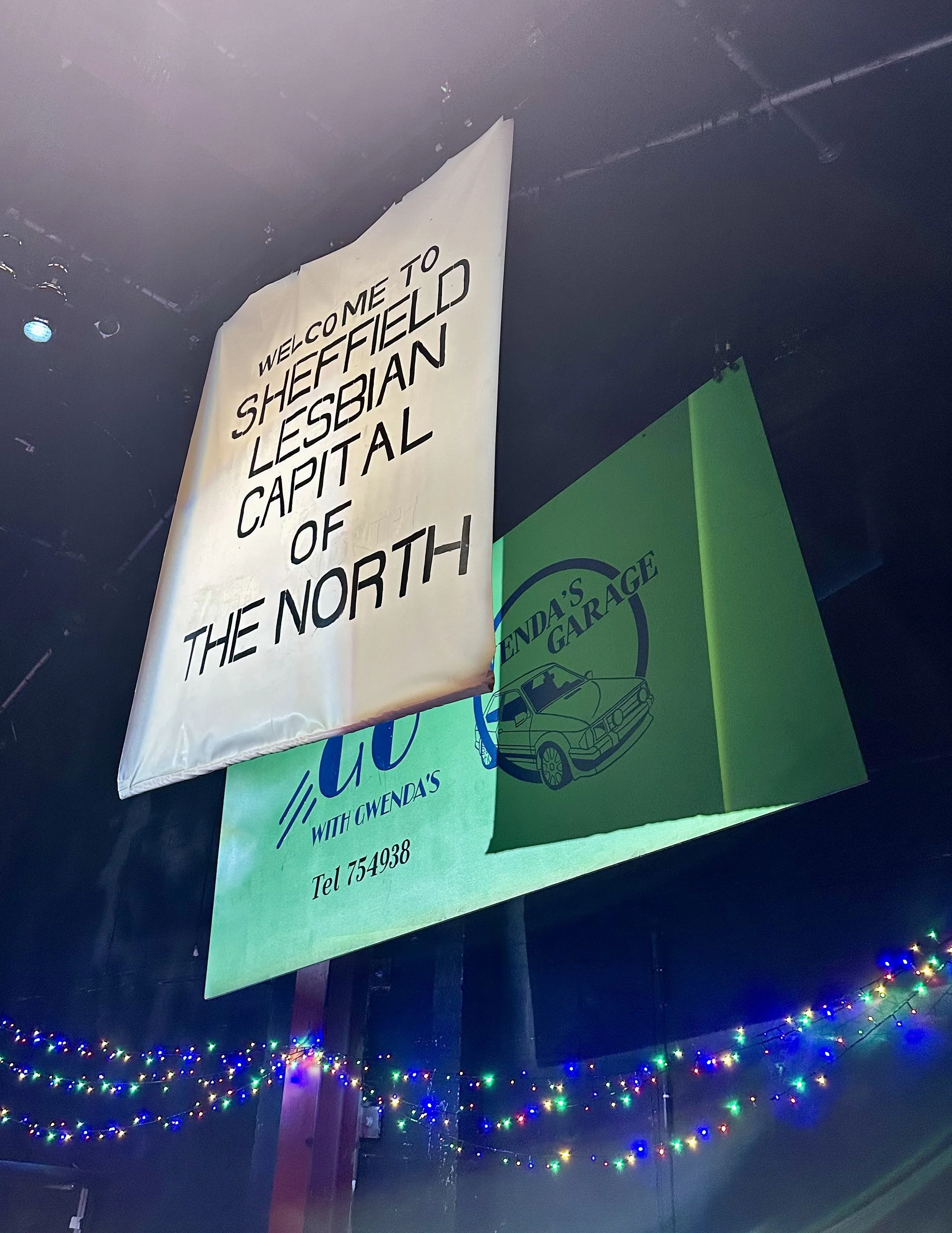
Gwenda’s Garage
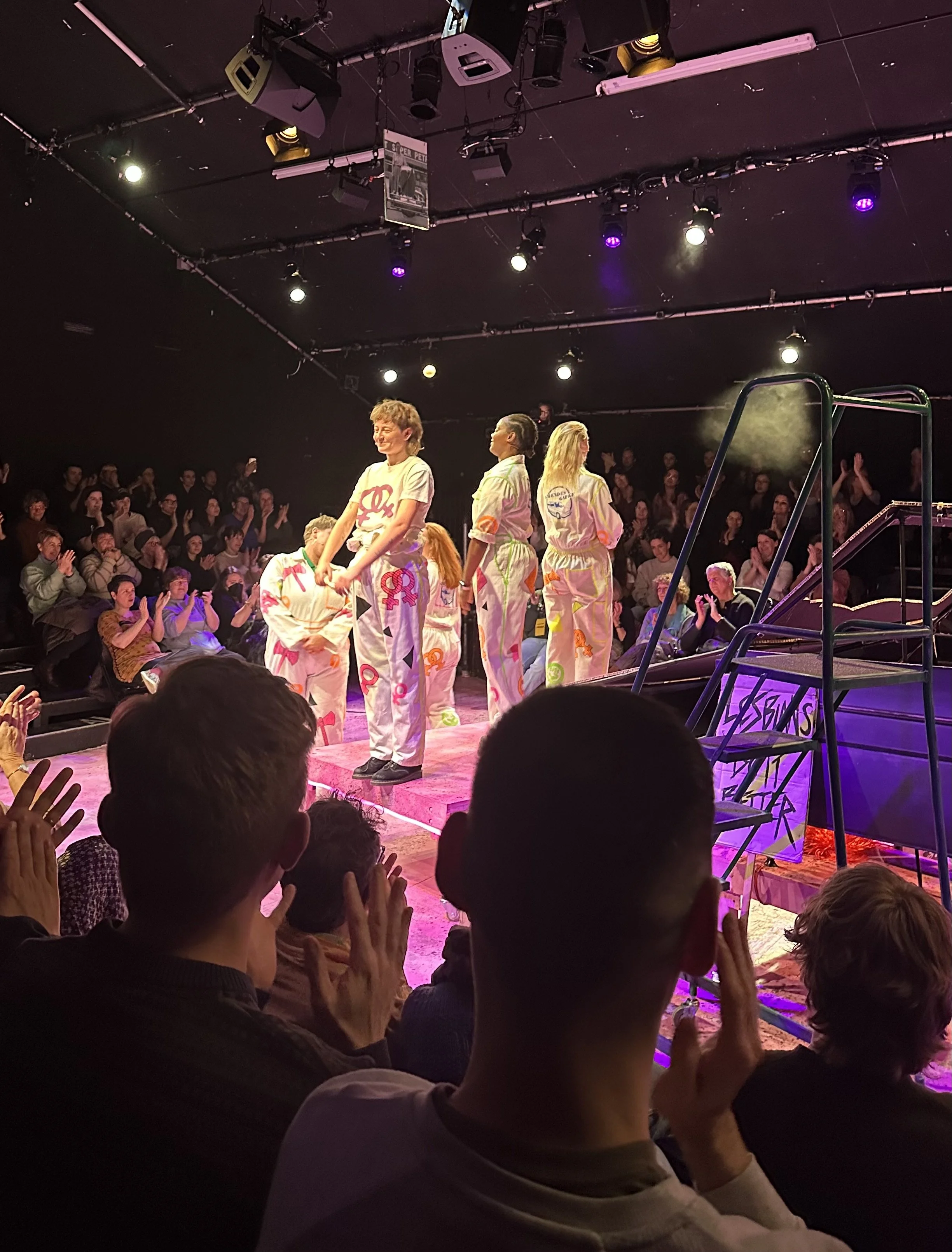
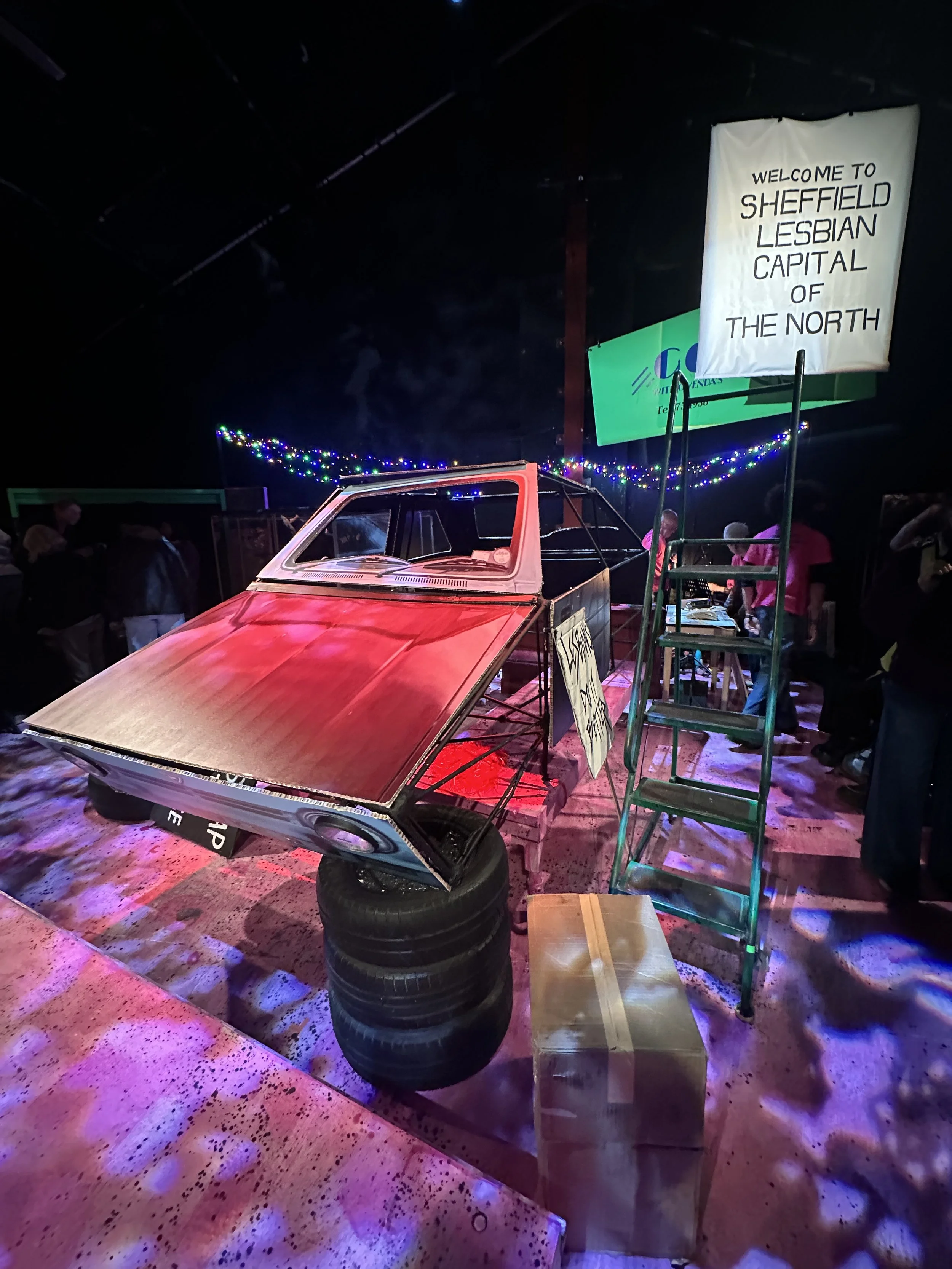
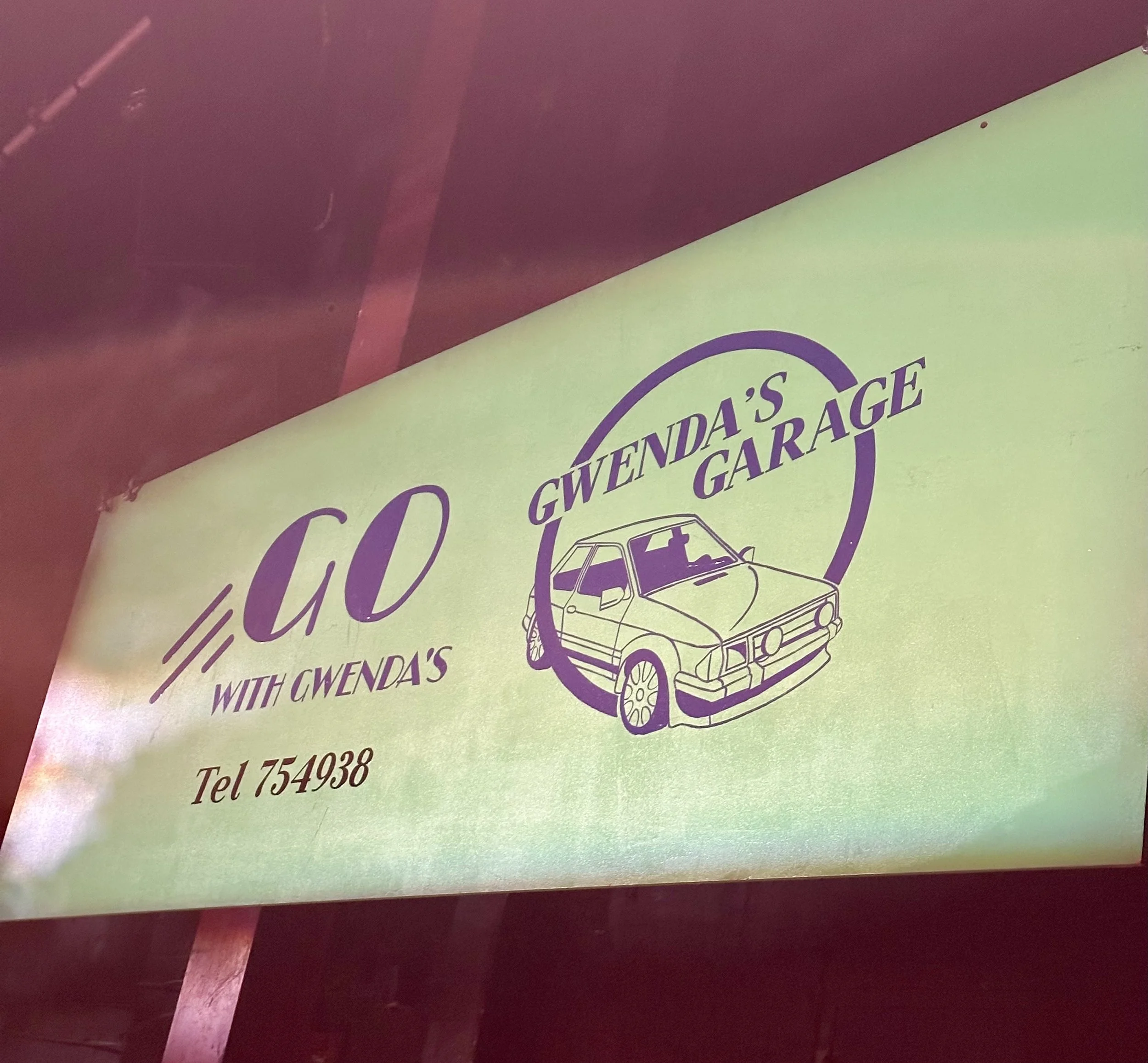
Gwenda’s Garage is a (somewhat) true story of a woman-run car garage in Sheffield in the 1980s, tackling the male-dominated career and fighting against the oppressive political powers of the time. Performed at the Southwark Playhouse, the musical is filled with joyous moments of personal discovery and determination, as well as the harsh realities the queer community faced during Thatcher’s administration.
What I liked
The content itself had grabbed my attention from the very first read: queer women running a garage in the 80s Sheffield - Perfect. And it definitely delivered. Each character was engaging in their own right, and, once I got used to the accents, I was hanging off of every word. Characters had varied levels of depth but they each felt interesting and individual. I found Dipstick the most entertaining character, played by Lucy Mackay, but admittedly they were not the main string to the story. The story mostly followed Bev and Terry’s relationship as Bev made the step towards adopting so that she could be a mother, fighting back against expected societal family dynamics. These 2 were the heart of the show and it was a lovely and complex story line.
Now, as much as I loved every character in the show, the performer I walked out talking the most about was Liz Kitchen, who rocked every cameo from her multi-role roster while also being resident drummer in the band (and associate music director). I found it very exciting when a disembodied voice first spoke out mid-song and I looked over to her on drums, and even more excited when she started appearing briefly on stage too.
What wasn’t my favourite
My main criticism of Gwenda’s Garage is just that I would have liked a heavier lean towards the characters' individual feelings about the situation rather than the existing more dominant social and political commentary. I think it's a great thing to be able to learn something through the show, such as all the political and resistance events that surrounded Clause 28 (and about Clause 28 itself, which I did not know of), but the nuances of how that impacts each of the group members given their differing experiences as a queer person really intrigued me, and felt glossed over. A few throwaway lines felt insufficient to explore the characters' feelings, and much of the second act was more about the political state and the general outrage felt by the community.
Overall
Gwenda’s Garage is an undeniably a good time. The songs are catchy, the performances are great, and it's a wonderful story. All my criticisms come from a place of adoration as I’m very happy to see these themes on stage, and because I have connections to the topics - I have opinions. I hope Gwenda’s Garage has a bright future, especially because I’m sure the art team would shine with a bigger budget, and because I would love to be able to see it again.